The Silent Language of Design: How Visuals Speak Volumes
-
Wacharaphong Thammamongkol
- /
- 11.20.2025
- /
- 4
- /
- Views 11410
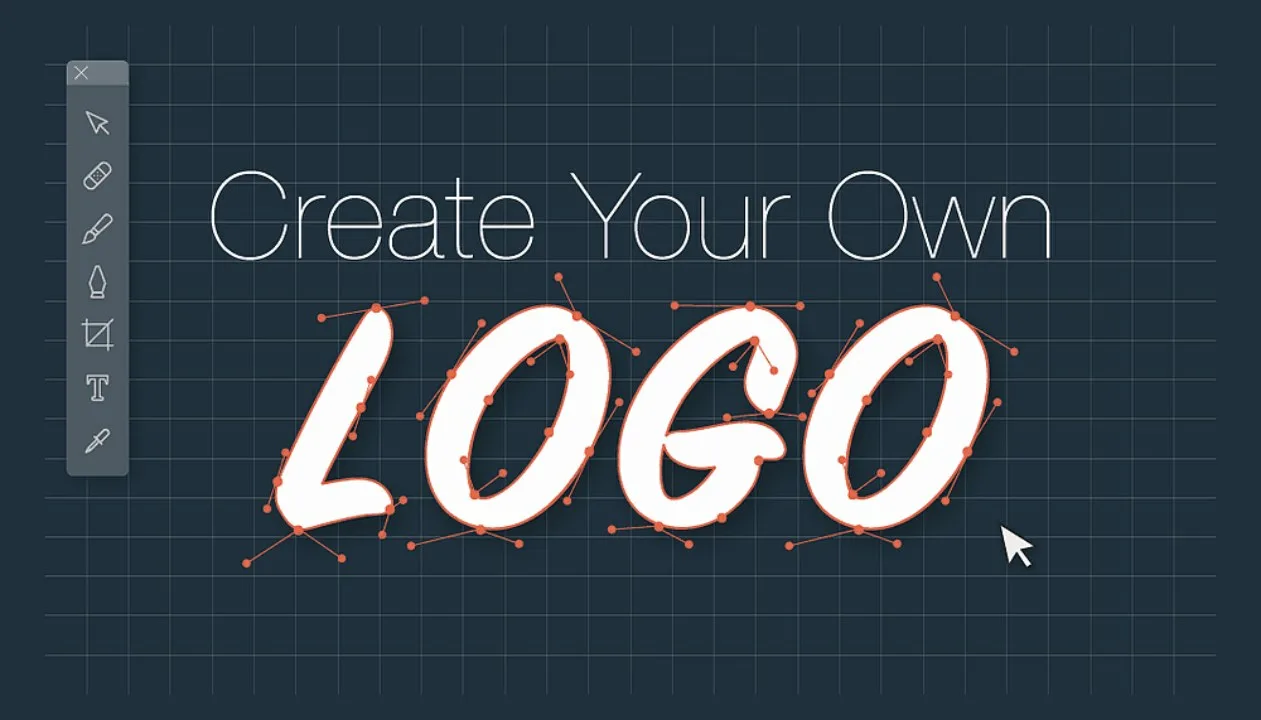
In an increasingly visual world, the power of design extends far beyond mere aesthetics. It operates as a profound, often unspoken, form of communication, shaping perceptions and conveying messages long before a single word is read. This silent language is an intrinsic part of how businesses interact with their audience, dictating initial impressions and fostering lasting connections. Understanding its nuances is paramount for any entity aiming to establish a strong presence and resonate authentically with its clientele.
Visual elements — from the choice of colors and typography to the layout and imagery — collectively tell a story. They evoke emotions, communicate values, and signal professionalism or innovation without explicit declarations. This non-verbal dialogue is incredibly potent, capable of influencing decisions and building trust or skepticism in mere moments. For many, the visual representation of a brand is the first, and sometimes only, interaction they have, making its impact undeniably critical in today's competitive landscape.
The challenge for many organizations lies in effectively harnessing this subtle yet powerful communication tool. It's not enough to simply have a logo or a website; the entire visual ecosystem must be cohesive, intentional, and reflective of the core identity. A disjointed or poorly executed visual strategy can inadvertently send mixed signals, confusing potential customers and diluting the intended message, thereby undermining efforts to connect and engage effectively.
Navigating this intricate visual terrain requires a strategic approach, one that recognizes design as a fundamental component of overall communication strategy rather than a superficial embellishment. In a market saturated with information and choices, a compelling and consistent visual presence is no longer just an advantage; it is a fundamental requirement for differentiation, enabling businesses to stand out, capture attention, and forge deeper relationships with their target audience through the universal language of sight.
🎨 Crafting Identity Through Visual Storytelling
-
At the heart of every successful entity lies a compelling narrative, and design is the primary architect of this story. The careful selection of a color palette, specific fonts, and imagery are not arbitrary choices; they are strategic decisions that articulate a brand's personality, values, and aspirations. These visual components work in concert to create a distinctive identity, establishing a unique voice in a crowded marketplace.
Consistency across all visual touchpoints is paramount for reinforcing this identity. Whether it's a website, social media, or marketing collateral, a unified visual story builds recognition and fosters reliability. When design elements are consistently applied, they create a coherent experience that strengthens brand recall and cultivates trust.
-
💡 Enhancing User Experience with Intuitive Design
Beyond aesthetics, design plays a pivotal role in shaping user experience. An intuitive design guides users seamlessly through a product or service, making complex interactions feel effortless and natural. Thoughtful layout, clear navigation, and responsive elements reduce friction and frustration, transforming potential obstacles into smooth pathways. This focus on user-centric design improves satisfaction and encourages deeper engagement.
-
🚀 Driving Engagement and Emotional Connection
Visuals possess an unparalleled ability to evoke emotions and forge immediate connections far more rapidly than text alone. A carefully chosen image or a thoughtfully designed interface can inspire confidence, reassure, or excite, fostering a deeper, more personal bond between a company and its audience. This emotional resonance is critical for cultivating loyalty and advocacy, building lasting relationships.
Ultimately, design is not merely a decorative layer but a fundamental strategic asset. It is central to how a company is perceived, understood, and trusted. Embracing its silent language means recognizing its profound capacity to communicate complex ideas and shape behavior.
Therefore, a thoughtful and intentional design process, deeply aligned with business objectives and audience expectations, is indispensable. It requires careful consideration of every visual element to ensure that the collective message is clear, compelling, and consistent, enhancing overall effectiveness.
Mastering the silent language of design empowers organizations like Trinoic to communicate with unparalleled clarity and impact. It enables them to build enduring relationships, inspire confidence, and effectively achieve their strategic goals by leveraging the universal power of visuals.
Related Articles


Priyanuch Chawalitchai
2 days agoThis article perfectly articulates the strategic importance of design. It's not just about looking good, but about effective communication. Trinoic clearly understands this.

Suradet Rattanaphong
2 hours agoThank you for your feedback! We believe that thoughtful design is indeed crucial for impactful communication.

Thanu Wattananu
2 days agoInteresting perspective on design as a 'silent language.' I hadn't considered it quite that way before. It makes sense, though, especially regarding first impressions.

Nichawan Sukkan
2 hours agoWe're glad it resonated! The non-verbal aspects of design are incredibly powerful in shaping perceptions.
 Trinoic